.jpg)
Reusable IBC Tank 1000L — Cost Savings, Reconditioning Process & When to Replace
Written by David, Technical Advisor at Zonepack Vietnam
Published: April 2026 | Reading time: 7 minutes
Topics: Reconditioned IBC tanks, IBC reuse, cost savings, UN recertification
One of the most significant advantages of IBC tanks is that they are specifically designed for reuse. Unlike single-use drums or barrels, a quality IBC tank with proper care and maintenance can serve your facility for many years — significantly reducing per-unit packaging costs and environmental impact.
This guide explains how IBC tank reuse works in practice, when reconditioning is appropriate, what the reconditioning process involves, and how to calculate your actual cost savings.
Why IBC Tanks Are Built for Reuse
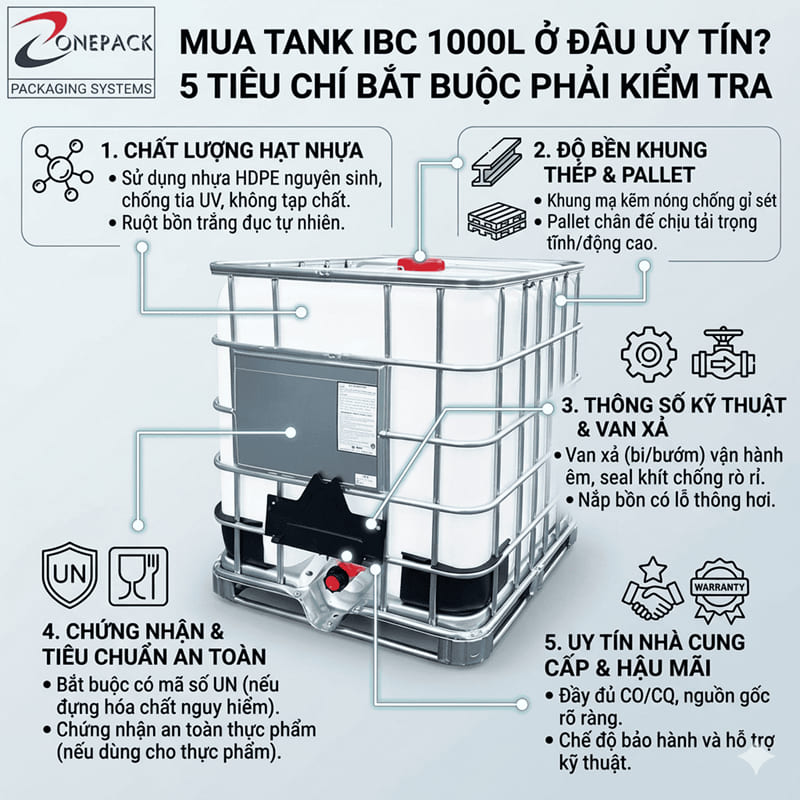
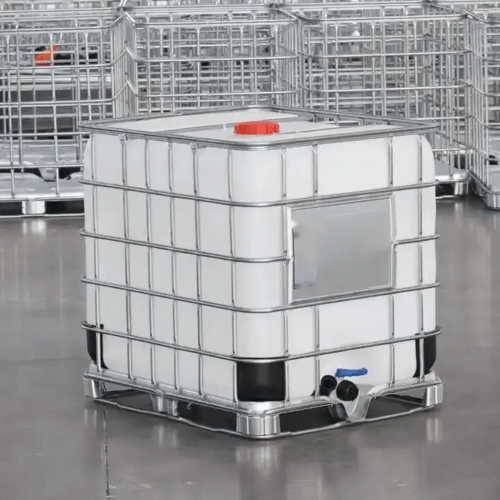
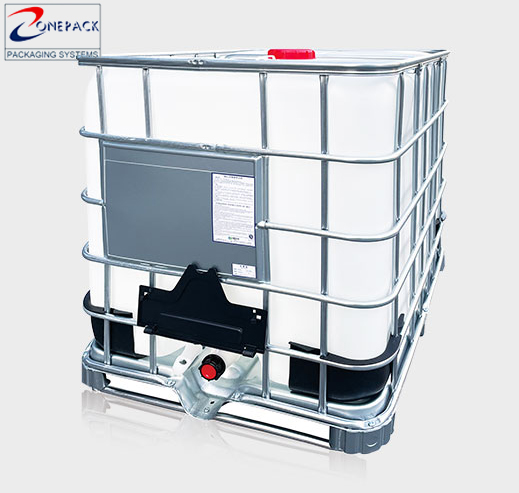
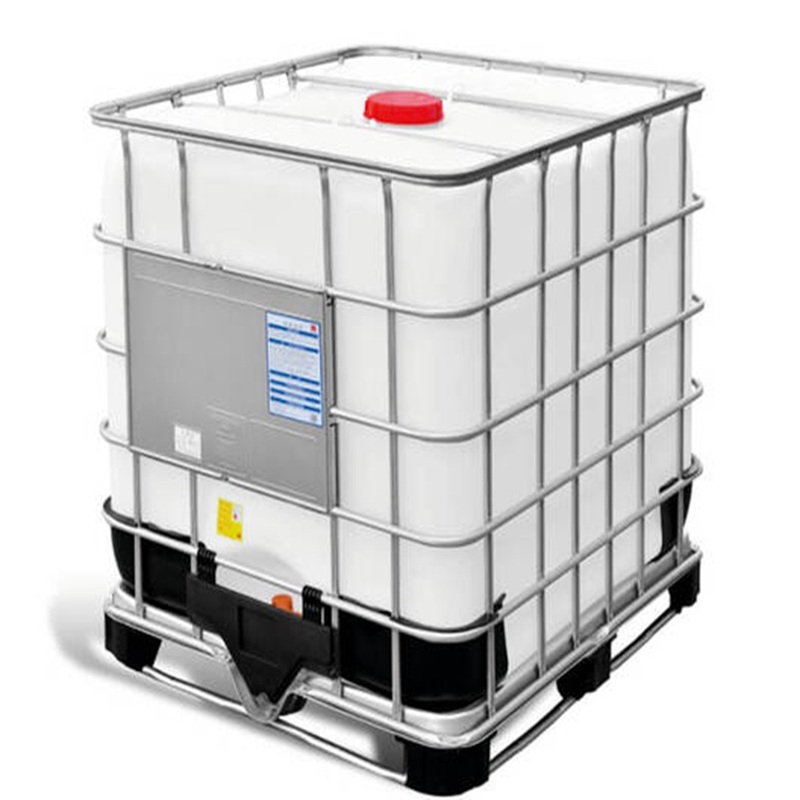
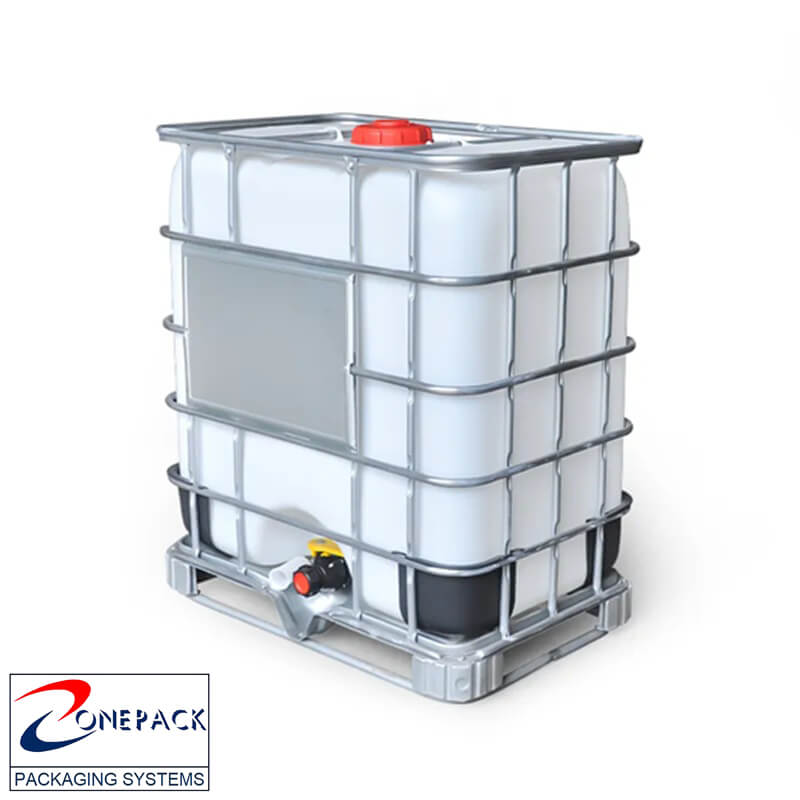
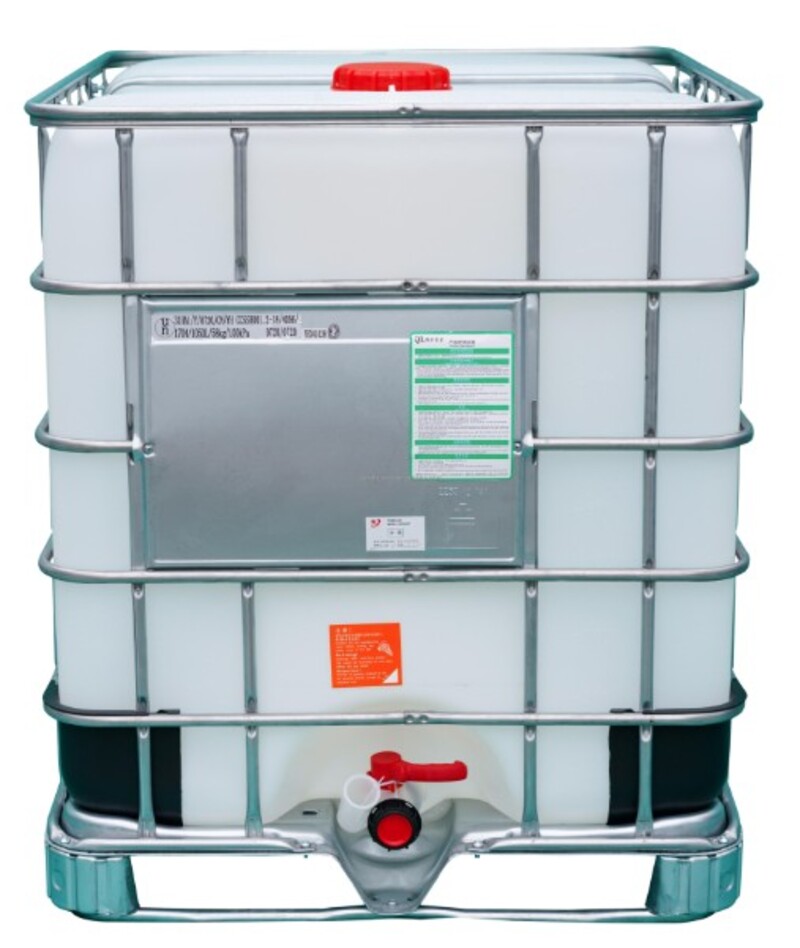
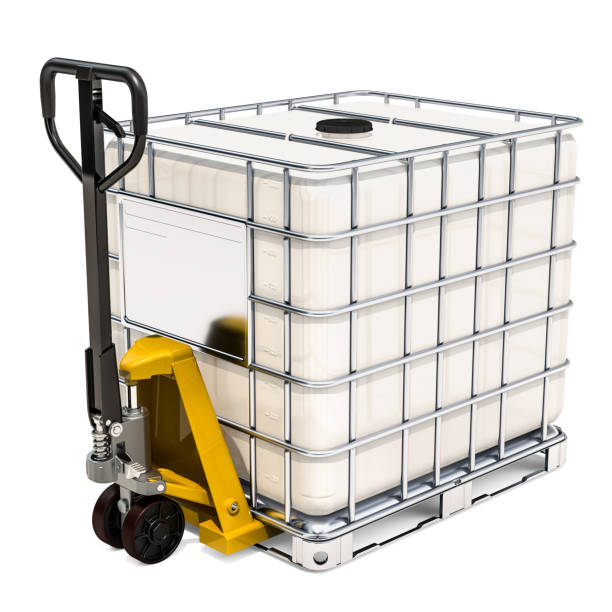
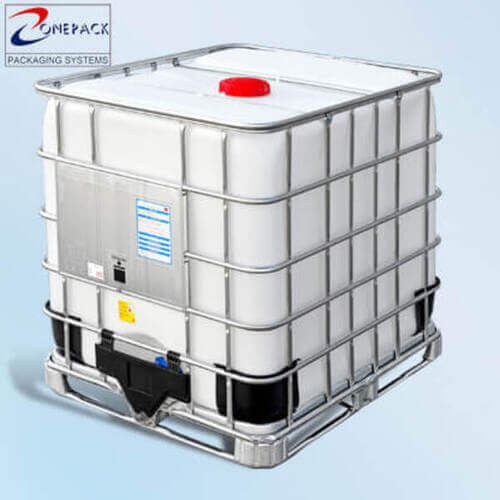
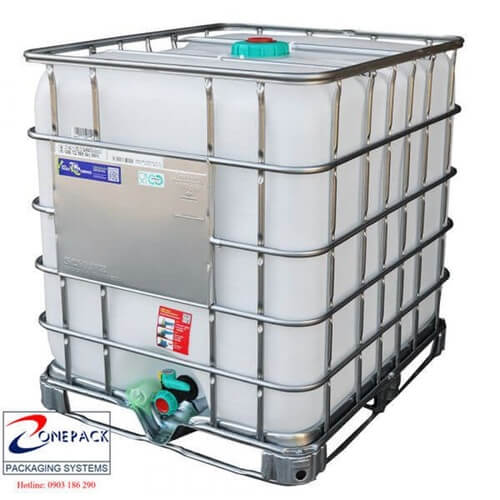
The design of a composite IBC tank (HDPE bottle + galvanized steel frame) inherently supports multiple use cycles:
- The steel frame is designed for a service life of 10–15 years. It is the structural backbone — expensive to manufacture but highly durable.
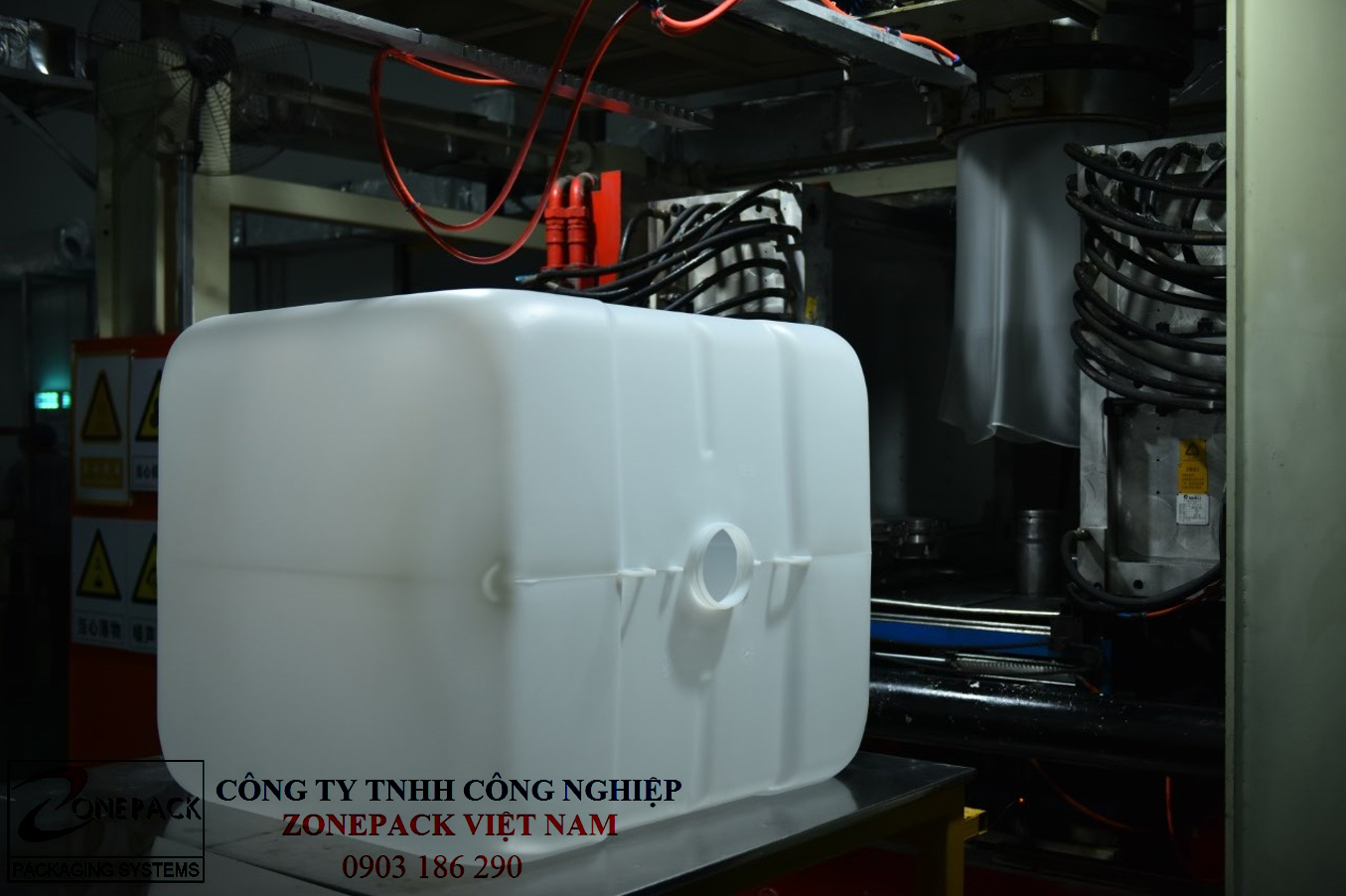
- The HDPE inner bottle is the consumable component. It can be removed and replaced when worn, contaminated, or structurally compromised — without replacing the entire tank.
- UN recertification can be applied to a reconditioned IBC, giving it the same legal status for hazardous goods transport as a new tank.
How Many Times Can an IBC Tank Be Reused?
There is no fixed legal limit on IBC reuse cycles. In practice, the number of reuse cycles depends on:
- The chemical stored — aggressive chemicals (strong acids, oxidizers) degrade HDPE faster
- Cleaning frequency and method — harsh cleaning agents accelerate bottle wear
- UV exposure — prolonged sunlight exposure degrades HDPE (store under cover when possible)
- Physical handling — impact damage from forklifts or drops shortens frame life
Under normal industrial conditions (moderate chemicals, proper cleaning, covered storage), an IBC tank HDPE bottle can typically be reused 5–10 times before reconditioning is needed. The steel frame can outlast 3–5 bottle replacement cycles.
Signs Your IBC Tank Needs Reconditioning
| Component | Warning signs | Action |
|---|---|---|
| HDPE inner bottle | Discoloration, cloudiness, swelling, cracks, deformation at bottom | Replace bottle — recondition |
| Outlet valve | Dripping when closed, stiff operation, cracked body | Replace valve (spare part) |
| DN150 cap | Cap cracks, seal no longer holds, cap deformed | Replace cap (spare part) |
| Gasket/seal | Visible wear, flat compression, chemical staining | Replace gasket (spare part) |
| Steel frame | Bent uprights, cracked welds, severe rust penetration | Frame repair or retire tank |
The IBC Reconditioning Process — Step by Step
At Zonepack Vietnam's Binh Duong workshop, IBC reconditioning follows a 6-step process:
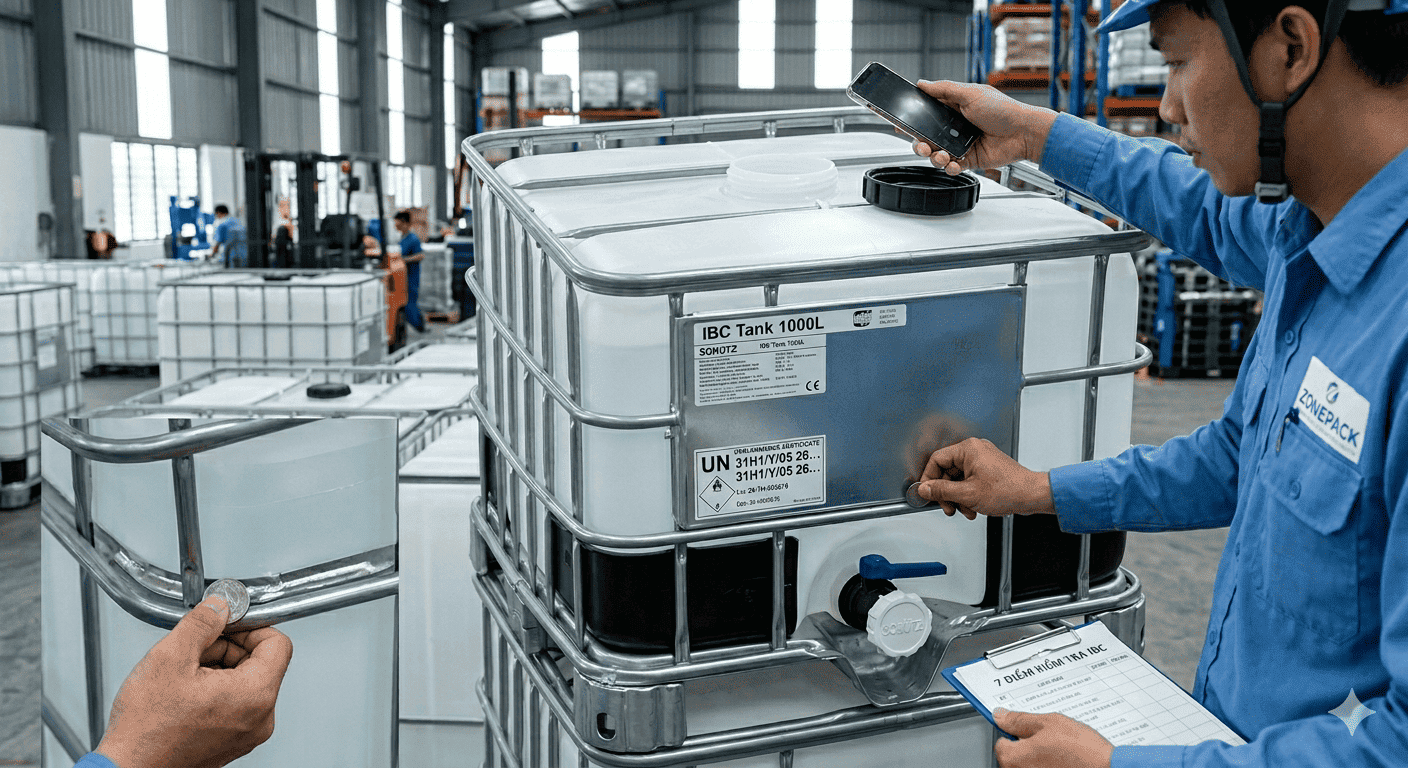
- Visual inspection of steel frame — check all uprights, cross-members, base pallet, and welds for structural integrity. Frames with major structural damage are retired from service.
- Removal of old HDPE inner bottle — the worn or contaminated bottle is cut out and removed from the steel frame for proper disposal or recycling.
- Frame cleaning — the steel frame is cleaned and any rust spots are treated. Minor frame repairs (re-welding, straightening) are performed if needed.
- New HDPE bottle installation — a factory-new virgin HDPE bottle is fitted into the steel frame and secured.
- New valve and gaskets — a new DN50 butterfly valve and EPDM or PTFE gaskets are installed. Cap seal is replaced.
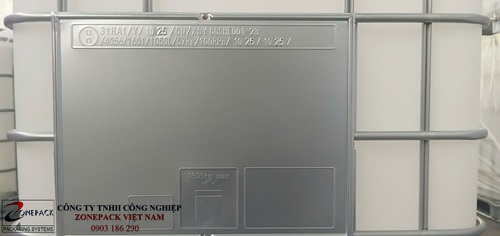
- Pressure testing and UN recertification — the assembled IBC is pressure-tested to UN standard. Passed units receive UN31HA1/Y marking and reconditioning documentation (reconditioner ID, date, test results).
Typical turnaround time at Zonepack Vietnam: 3–5 business days depending on quantity.
Cost Savings: New vs Reconditioned IBC Tank
| Factor | New IBC Tank | Reconditioned IBC Tank |
|---|---|---|
| Unit price (approx.) | Base price 100% | 50–60% of new price |
| UN certification | Yes | Yes — recertified |
| HDPE bottle | Virgin (new) | Virgin (new replacement) |
| Steel frame | New | Inspected original |
| Best for | Food-grade, ATEX, audit-sensitive | General chemical, agriculture, budget projects |
| Environmental impact | New raw materials required | Lower — reuses existing frame |
For a factory using 100 IBC tanks per year for general chemical storage, switching from new to reconditioned IBC tanks can reduce packaging costs by 40–50% annually — while maintaining full UN transport compliance.
When NOT to Use Reconditioned IBC Tanks
Reconditioned IBC tanks are appropriate for most general industrial applications, but are not recommended for:
- Food-grade applications — food safety audits (FSSC22000, HACCP) typically require new or dedicated-use containers. Cross-contamination risk cannot be fully eliminated
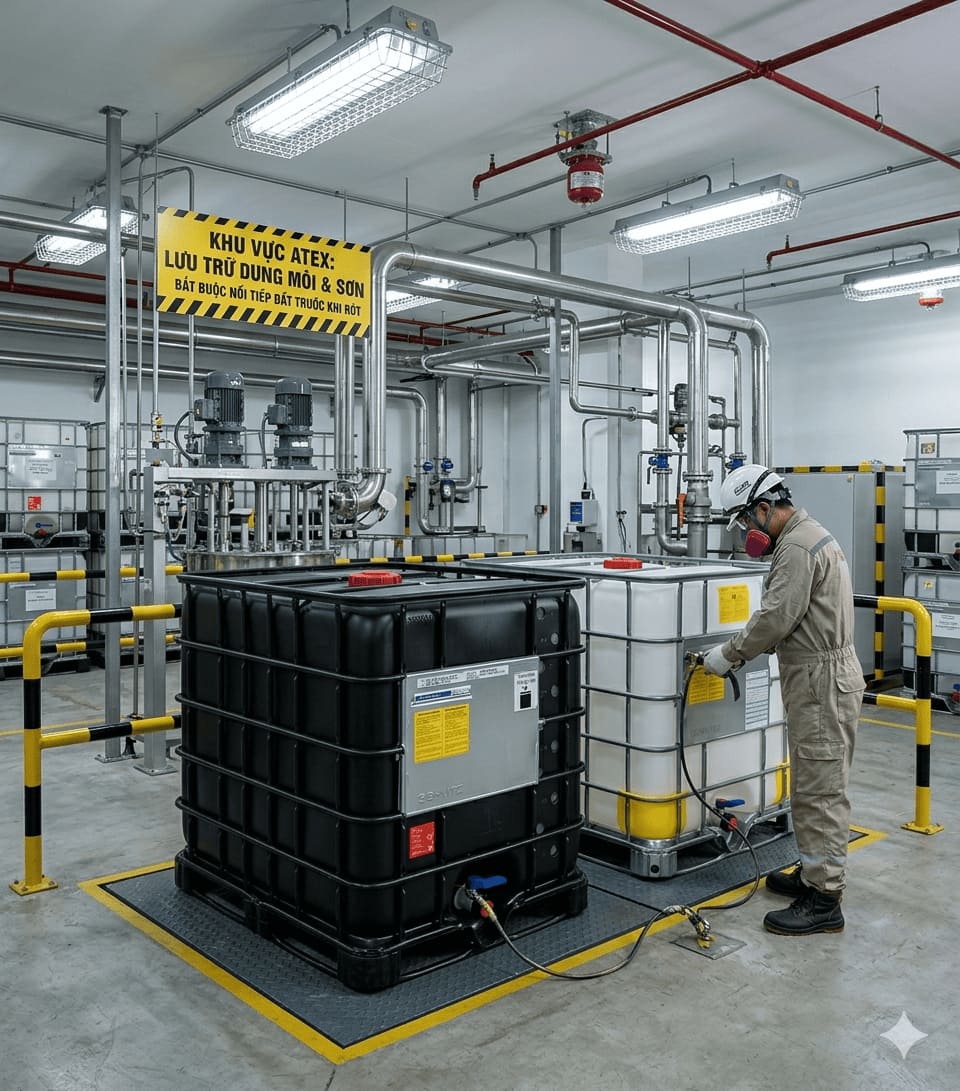
- ATEX Zone 1/2 flammable solvents — the conductive properties of an ATEX IBC must be original and certified; reconditioning cannot reliably replicate the original ATEX certification
- Highly aggressive chemicals — concentrated acids, strong oxidizers, or chemicals that cause HDPE stress-cracking require a new bottle with documented material grade and chemical resistance data
- Pharmaceutical GMP applications — GMP requirements typically mandate
- new, dedicated containers with full material documentation
Environmental Benefits of IBC Reuse
Reusing IBC tanks and reconditioning rather than discarding reduces:
- Steel consumption — the galvanized frame is retained rather than melted and re-cast
- HDPE plastic waste — only the inner bottle (typically 15–20 kg of HDPE) is replaced rather than the entire 60–65 kg tank
- Carbon footprint — manufacturing a new IBC frame requires significantly more energy
- than reconditioning an existing one
- Landfill burden — worn IBC bottles can be recycled as HDPE scrap
For companies with ESG reporting requirements or EcoVadis ratings, IBC reconditioning is a quantifiable sustainability initiative that can be documented in annual ESG reports.
Frequently Asked Questions
What is IBC tank reconditioning?
IBC tank reconditioning is the process of rebuilding a used IBC tank: inspecting the steel frame, removing the old HDPE inner bottle, installing a new virgin HDPE bottle, replacing valve and gaskets, and UN pressure-testing the assembled unit. The result is an IBC tank that meets the same UN transport standard as a new tank.
Is a reconditioned IBC tank safe?
Yes, when properly reconditioned by a qualified facility. A reconditioned IBC that has passed UN pressure testing and received UN31HA1/Y marking is legally safe for the same hazardous goods transport as a new tank. The key is using a reputable reconditioning facility — Zonepack Vietnam reconditions IBC tanks at our certified Binh Duong workshop.
How much does IBC reconditioning cost vs buying new?
Reconditioned IBC tanks typically cost 50–60% of the price of a new equivalent tank. This represents 40–50% savings per unit. For high-volume users (50+ tanks per year), this produces significant annual savings while maintaining UN compliance.
Can any IBC tank be reconditioned?
IBC tanks with structurally sound steel frames in good condition can be reconditioned. Tanks with severely damaged frames (bent uprights, cracked welds, base pallet failure) are retired from service. Our technicians assess each frame individually before reconditioning.
Bring your IBC tanks to Zonepack Vietnam's Binh Duong workshop for professional reconditioning: frame inspection, new HDPE bottle, valve replacement, pressure test, UN recertification. Turnaround: 3–5 business days.
Or purchase ready-to-use reconditioned IBC tanks from our stock.
Call: +84 903 186 290 | Email: sales@zonepackvietnam.com | Get a quote →
David — Technical Advisor, Zonepack Vietnam
Specialist in IBC tank reconditioning, UN certification requirements, and industrial packaging compliance for chemical and manufacturing facilities in Vietnam.
Contact: sales@zonepackvietnam.com | +84 903 186 290
✍️ Biên soạn bởi: Đội Ngũ Kỹ Thuật Zonepack Việt Nam — hơn 10 năm kinh nghiệm tư vấn bao bì công nghiệp: Tank IBC 1000L, Thùng Phuy Sắt, Can Nhựa HDPE tại Bình Dương. Cập nhật: 10/2026.