.jpg)
Food-Grade IBC Tank 1000L — FDA & FSSC22000 Certified | Zonepack Vietnam
Reviewed by David, Technical Advisor at Zonepack Vietnam
Updated: April 2026 | Topics: Food-grade IBC tank, FDA IBC, FSSC22000 IBC tank Vietnam
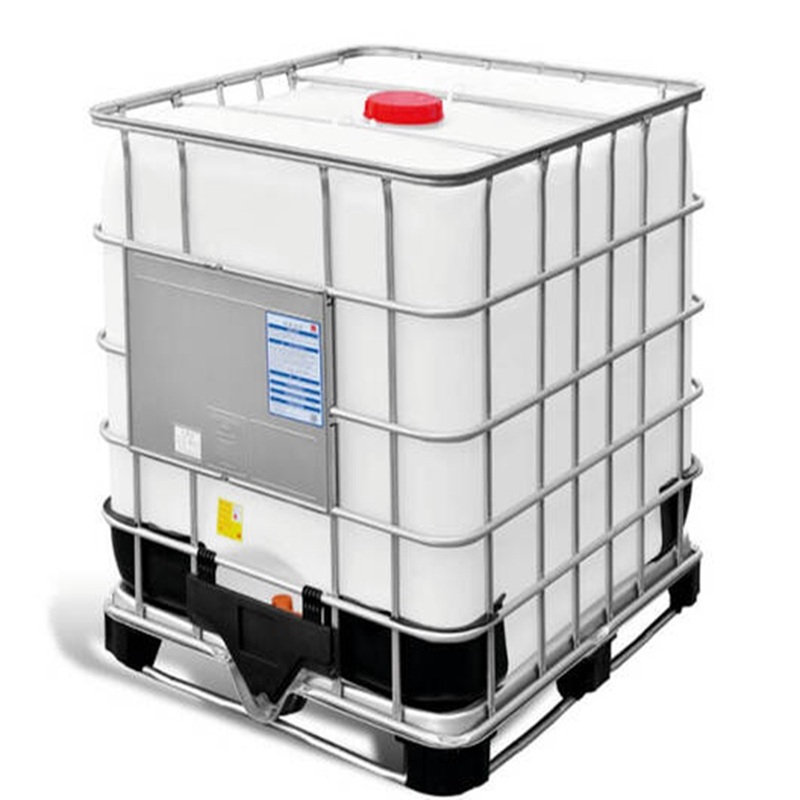
A food-grade IBC tank is a 1,000-litre bulk container made from FDA-compliant virgin HDPE, certified for direct contact with food products. Unlike standard IBC tanks, food-grade IBC tanks use food-contact-approved materials throughout — HDPE inner bottle, valve, gaskets, and cap — making them suitable for edible oils, liquid food ingredients, sauces, syrups, and dairy liquids. Zonepack Vietnam supplies food-grade IBC tanks 1000L certified to FDA and FSSC22000 standards, with fast delivery from Binh Duong.
What Makes an IBC Tank "Food Grade"?
A food-grade IBC tank must meet food safety requirements at every component that contacts the stored liquid:
| Component |
Standard requirement |
Non-food-grade equivalent |
| HDPE inner bottle |
FDA-compliant virgin HDPE — no recycled material, no colorants, no additives |
Standard HDPE — may contain recycled material or additives |
| Outlet valve |
Food-grade PP or stainless steel body, EPDM or silicone gasket |
Standard PP + EPDM (may not be food-grade certified) |
| Cap gasket (DN150) |
Food-grade EPDM or silicone |
Standard EPDM |
| Base pallet |
Presswood (heat-treated) or steel — no plastic pallet that may leach |
Plastic or steel pallet |
| Certification |
FDA (21 CFR), FSSC22000, EU Reg 10/2011 |
UN certification only |
Key point: "Food grade" is not just about the HDPE bottle material — every component that the food product may contact must be food-safe certified. A standard IBC bottle with a non-food-grade valve is not considered food-grade.
Product Specifications
| Specification |
Value |
| Capacity |
1,000 litres (nominal) |
| Inner bottle material |
Virgin HDPE — FDA compliant, no recycled content |
| Outer frame |
Hot-dip galvanized steel |
| Base pallet |
Steel base pallet (standard) / presswood pallet (available) |
| Outlet valve |
DN50 butterfly valve or DN50 ball valve — food-grade |
| Valve gasket |
Food-grade EPDM or silicone |
| Filling opening |
DN150 screw cap with food-grade gasket |
| Dimensions (L × W × H) |
1,200 × 1,000 × 1,160 mm |
| UN certification |
UN31HA1/Y |
| Food safety certifications |
FDA (21 CFR), FSSC22000 |
| Max stack height (empty) |
3 units high |
| Maximum liquid density |
1.9 kg/L |
Food & Beverage Applications
Food-grade IBC tanks are used for bulk storage and transport of:
- Edible oils — palm oil, vegetable oil, sunflower oil, soybean oil
- Liquid sweeteners — glucose syrup, fructose syrup, liquid sucrose, honey
- Sauces & condiments — fish sauce, soy sauce, chili sauce, oyster sauce in bulk
- Dairy liquids — liquid milk ingredients, cream, whey concentrates
- Fruit juices & concentrates — juice concentrates, fruit pulps, purees
- Food additives & ingredients — liquid food colorants, flavor concentrates, preservatives
- Vinegar & acidic liquids — food-grade acids, vinegar, acidulants
- Drinking water — bulk water storage for production or emergency use
Compliance Requirements for Food Factories
Food factories in Vietnam operating under FSSC22000, HACCP, ISO 22000, or BRC certification must use food-grade certified packaging when product contacts the container. Auditors typically check:
- FDA or FSSC22000 certificate for the IBC inner bottle material
- Certificate of Conformity from the IBC manufacturer
- Dedicated use — food-grade IBCs should not be used for non-food chemicals
- Cleaning records — food-grade IBCs require documented cleaning procedures between uses
- Visual inspection records — no discoloration, odor, or physical damage
Zonepack Vietnam provides full documentation for food-grade IBC tanks including material certificates, Certificate of Conformity, and UN test reports on request.
New vs Reconditioned IBC for Food Applications
Important: For food-grade applications, new food-grade IBC tanks are strongly recommended. Reconditioned IBC tanks — even those with new HDPE bottles — may not be accepted by food safety auditors because:
- The reconditioning process and previous contents cannot always be fully documented
- FSSC22000 and HACCP auditors typically require a complete material chain of custody
- Cross-contamination risk from previous chemical use cannot be fully eliminated
For non-food applications (cleaning chemicals, water treatment, agricultural liquids), reconditioned IBC tanks are a cost-effective alternative. For food and pharmaceutical applications, use new food-grade certified IBC tanks.
Schutz Foodcert IBC — Premium Option for Audit-Sensitive Facilities
For food factories subject to multinational QA audits (e.g., FDI factories in Binh Duong supplying to Korean, Japanese, or Taiwanese parent companies), Schutz Foodcert IBC tanks provide the highest level of documentation:
- Schutz GmbH Certificate of Conformity — internationally recognized brand
- Individual serial number — full production batch traceability
- FDA, FSSC22000, and EU Regulation 10/2011 compliance documentation
Zonepack Vietnam supplies genuine Schutz Foodcert IBC tanks manufactured in Thailand. Learn more about Schutz IBC tanks →
Frequently Asked Questions
What is a food-grade IBC tank?
A food-grade IBC tank is a 1,000-litre bulk container with all food-contact components (HDPE bottle, valve, gaskets, cap) made from FDA-compliant materials certified for direct food product contact. Food-grade IBC tanks meet FDA 21 CFR and FSSC22000 requirements, making them suitable for edible oils, syrups, sauces, dairy products, and food additives.
Can I use a standard IBC tank for food products?
No. Standard IBC tanks use HDPE that may contain recycled materials, colorants, or non-food-grade additives, and standard valves and gaskets are not certified for food contact. Using a non-food-grade IBC for food products violates FSSC22000, HACCP, and food safety regulations.
How many times can a food-grade IBC be reused?
Food-grade IBC tanks can be reused multiple times when dedicated to the same product type and properly cleaned between uses. Most food safety programs (FSSC22000, HACCP) require documented cleaning procedures and visual inspection before reuse. When the HDPE bottle shows any discoloration, odor absorption, or physical damage, replace the IBC.
What is the difference between FDA and FSSC22000 certification for IBC tanks?
FDA (21 CFR) certification means the HDPE material meets US Food and Drug Administration requirements for food contact. FSSC22000 is a food safety management system certification applied to the manufacturing process. Both are commonly required for IBC tanks used in food factories — FDA certifies the material, FSSC22000 certifies the manufacturing process quality.
Where can I buy food-grade IBC tanks in Binh Duong, Vietnam?
Zonepack Vietnam supplies food-grade IBC tanks 1000L in Binh Duong with fast delivery to food factories in HCMC, Dong Nai, and nationwide. We provide full documentation: material certificate, Certificate of Conformity, UN test report. Contact: +84 903 186 290 | sales@zonepackvietnam.com
Need food-grade IBC tanks for your food factory?
Zonepack Vietnam supplies FDA & FSSC22000 certified food-grade IBC tanks 1000L. Full documentation provided: material certificate, Certificate of Conformity, UN test report.
For highest audit compliance, ask about Schutz Foodcert IBC tanks with full Schutz serial number traceability.
Call: +84 903 186 290 | Email: sales@zonepackvietnam.com | Request a quote →
Contact: sales@zonepackvietnam.com | +84 903 186 290
Specialist in food-grade packaging compliance, FSSC22000 requirements, and IBC tank selection for food & beverage manufacturers in Vietnam.
— Technical Advisor, Zonepack Vietnam: David Reviewed by